
Firm vs Soft Mattresses and How They Support You
Choosing a mattress isn't always simple, as the right level of firmness for comfort and support varies from person to person.
Read article
Preparing your best sleep…
Snooze Sleep Blog

Picking a new mattress can feel like a bigger decision than it should be. Hybrid and memory foam mattresses are two of the most popular choices out there, and each one has plenty of loyal fans. The right pick usually comes down to how you like to sleep and what kind of feel you are drawn to, so let's walk through what sets these two mattress types apart.
Memory foam is known for its slow, cradling hug. When you lie down, the foam gently molds around your shoulders and hips. Side sleepers especially tend to appreciate this since it eases pressure on those sensitive points and lets the body settle in without much resistance.
Hybrid mattresses also relieve pressure quite well, though the feel is a little different. A layer of coils sits underneath the foam, so while you still get a comfortable cushion on top, the surface pushes back more than a full foam bed would. The result is a mattress that feels supportive rather than sink-in soft, which some sleepers find easier to move around on.
The amount of pressure relief you notice also depends on how thick the comfort layer sits on top of the coils. A deeper layer can feel almost as cushioned as an all-foam bed, while a thinner layer leans more toward that responsive, supportive feel. It helps to think about layer thickness, not just the general mattress type, when comparing your options.
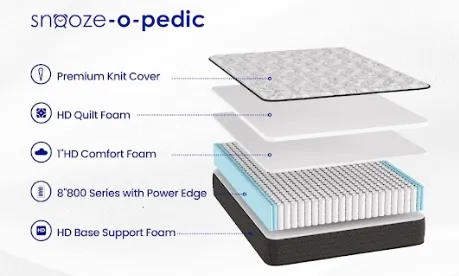
Support is an area where hybrid mattresses tend to stand out. The coil system inside adds lift and helps the bed hold its shape night after night. This can matter a lot for people with a heavier build, since a firmer core keeps the mattress from feeling like it is bottoming out. Sleeping on your back or stomach often calls for this kind of lift too, because it keeps the spine from sinking too far into the mattress.
Edge support follows a similar pattern. Hybrids generally offer a sturdier perimeter, so sitting on the side of the bed or sleeping close to the edge feels more secure. Memory foam edges tend to be a bit softer, which some sleepers do not mind at all, especially if they stay closer to the center of the bed. If you tend to sit on the edge of the mattress often, whether to put on shoes or just relax for a moment, that added edge support can make a real difference over time.
Coils do more than add support. The open space between them lets air move through the mattress, which helps carry heat away as you sleep. That is one reason hybrid mattresses often sleep cooler than an all-foam bed.
Memory foam sits closer to the body, and that close contact can trap warmth. This does not mean every foam mattress runs hot. Many modern designs include cooling covers or gel layers that help pull heat away from the surface, so the warmth factor has become less of an issue than it used to be.
If you share your bed with a partner, motion transfer might matter more to you than anything else on this list. Memory foam absorbs movement very well. When one person tosses and turns or gets up in the night, the other person is far less likely to notice.
Hybrids still do a solid job with motion isolation, but there is a bit more bounce built into the design because of the coils. That bounce can carry a small amount of movement across the bed. For light sleepers who share a mattress, this difference is worth keeping in mind, though it is rarely dramatic enough to cause real sleep trouble.
The overall feel of these two mattress types is quite different, and honestly, this is often what pulls people toward one or the other. Memory foam responds slowly, giving that familiar slow sink and cradle that many people find relaxing at the end of a long day. Hybrid mattresses respond faster and add a gentle bounce, which makes shifting positions or getting out of bed feel a little easier.
Price tends to follow a pattern too. Memory foam mattresses usually come in at a lower average cost. Hybrids tend to sit a bit higher because combining coils and foam layers adds to the materials and construction involved.
That said, pricing varies quite a bit depending on size, thickness, and overall build quality, so it is worth comparing options rather than assuming one type will always cost more. Many luxury mattress brands now offer premium versions of both styles, so a higher-end feel does not have to be limited to just one type of mattress.
Side sleepers who want a quiet, motion-free night often lean toward memory foam, particularly when staying within a set budget matters. People who sleep on their back or stomach, run warm at night, or carry more body weight often find that a hybrid gives them the lift and airflow they are looking for.
Neither option is better across the board. It comes down to matching the mattress to what your body and your sleep habits actually need. Both types are generally built to last around six to eight years with proper care. Some hybrid models can last even longer, thanks to durable coil systems that hold up well over time.
Choosing between hybrid and memory foam does not have to be complicated once you know what matters most to your sleep, and either path can lead to a great night's rest. If you would like personal guidance on finding the right setup for your needs, reach out to our team, and we will help you build a sleep system made just for you.
Yes. Firmness levels vary within both hybrid and memory foam lines, so a bed can usually be matched to your preferred position rather than the other way around.
Regular rotation helps, and a breathable protector can make a noticeable difference over time.
Not at all. Some hybrids are built with plush comfort layers on top, so you can still get a softer, cushioned feel while keeping the support of the coils underneath. Firmness really depends on how the layers are designed, not just whether coils are present.
A heavier body often benefits from the added lift that coils provide, since it helps prevent excess sinkage over time. A lighter frame may feel comfortable on either type, though foam alone can already offer enough contouring without needing extra support underneath. If you are unsure, trying out a mattress in person or reading about the specific firmness level can help clear things up.
Not sure which mattress is right for you?
Take the 60-Second Sleep Quiz →Real People. Real Results. Real Sleep.
Talk to our Sleep Specialists in El Paso. Get pressure-mapped, try the mattresses that fit your body, and ask about 0% financing — we treat every person who walks through our door like family.
10501 Gateway Blvd W Ste 16, El Paso, TX 79925 · Mon–Sat 10 AM–7 PM · Sun 11 AM–6 PM
Choosing a mattress isn't always simple, as the right level of firmness for comfort and support varies from person to person.
Read articleMost people spend a third of their lives in bed, yet very few give their mattress the same careful consideration they'd give to a car or a home.
Read articleA split king mattress has become one of the most popular choices for couples who want better sleep without compromising comfort.
Read article